
Resources

Intrinsic Imaging's resources are organized around a simple idea: sponsors should be able to find what they need, whether that is a quick answer or a deeper look at how imaging works in a clinical trial.

Guidance for Sponsors is the place to start for the science. Each article takes a single topic, such as an imaging endpoint or an assessment method, and explains the considerations that shape it.

Case Studies move from principle to practice. They follow real studies and show how Intrinsic Imaging worked through the clinical and operational challenges each one presented.

The Frequently Asked Questions cover the practical side of working with a core lab. If you are evaluating Intrinsic Imaging or planning a trial, this is where the most common questions are answered.

Press Releases and News records the company's history, including new study engagements, quality certifications and corporate milestones.

Everything published in these sections is also available as a PDF in Downloads. And when a conversation would help more than a document, the Events schedule shows where to meet the team in person.

Press Releases and News

Intrinsic Imaging's press releases document its clinical trial engagements, quality certifications and company milestones since its founding in 2010. Each announcement retains its original publication date, providing a historical record of the company's work and development.

All press releases

Guidance for Sponsors

Intrinsic Imaging's Guidance for Sponsors articles examine imaging endpoints, response criteria and assessment methods across therapeutic areas. The articles connect the clinical rationale for an imaging measure with the acquisition and interpretation requirements that influence its use in a trial.

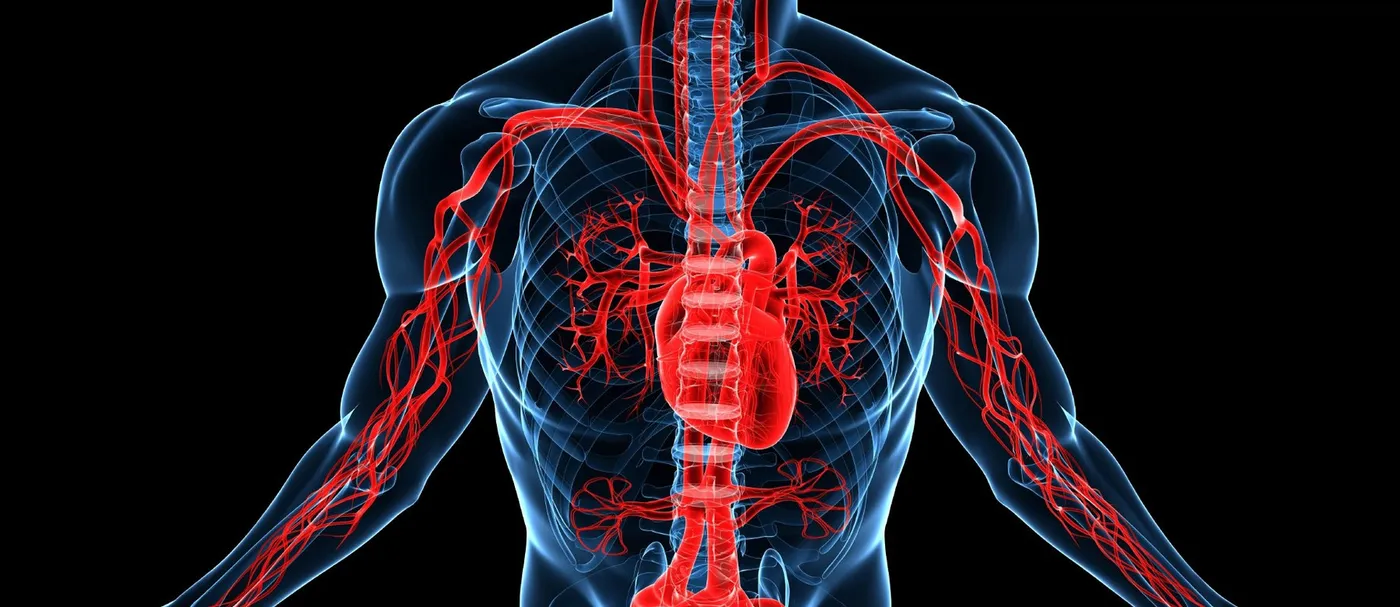
Illustration of the human torso showing the heart and major blood vessels in red and blue

Guidance for Sponsors

Guidance for Sponsors · Volume 6, Issue 10 · 2026 Edition

Inferior Vena Cava Filters: Medical Imaging in Clinical Trials

By John Stoll, M.D.

Venous thromboembolism affects as many as 900,000 Americans each year and causes an estimated 60,000 to 100,000 deaths.[1] Anticoagulation is the treatment, but for patients who cannot be anticoagulated, an inferior vena cava (IVC) filter offers mechanical protection against pulmonary embolism. Filter use expanded dramatically with the introduction of retrievable devices, then came under scrutiny when the FDA warned of fractures, migration and perforation and when randomized evidence failed to show benefit in patients who could receive anticoagulation. Since then a large prospective trial has defined the safety of modern filters, professional societies have issued evidence-based guidelines and imaging has become central to both the indication for a filter and its follow-up. This issue reviews the evidence and the imaging a filter trial requires.

Read the article
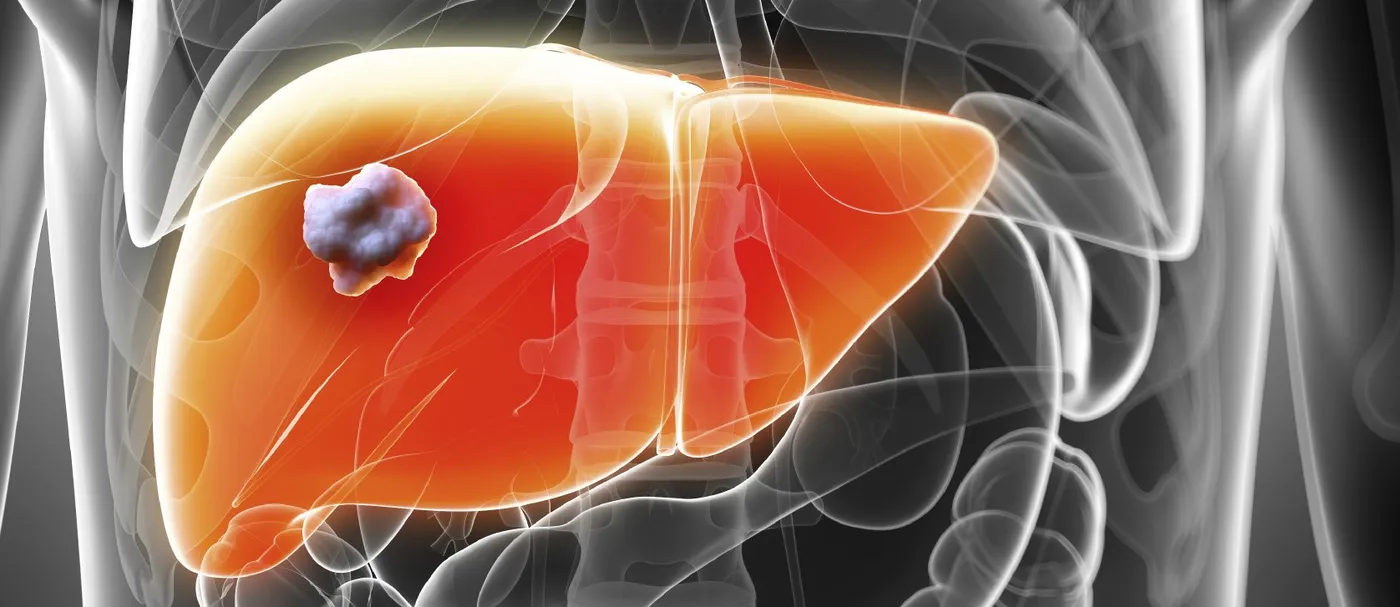
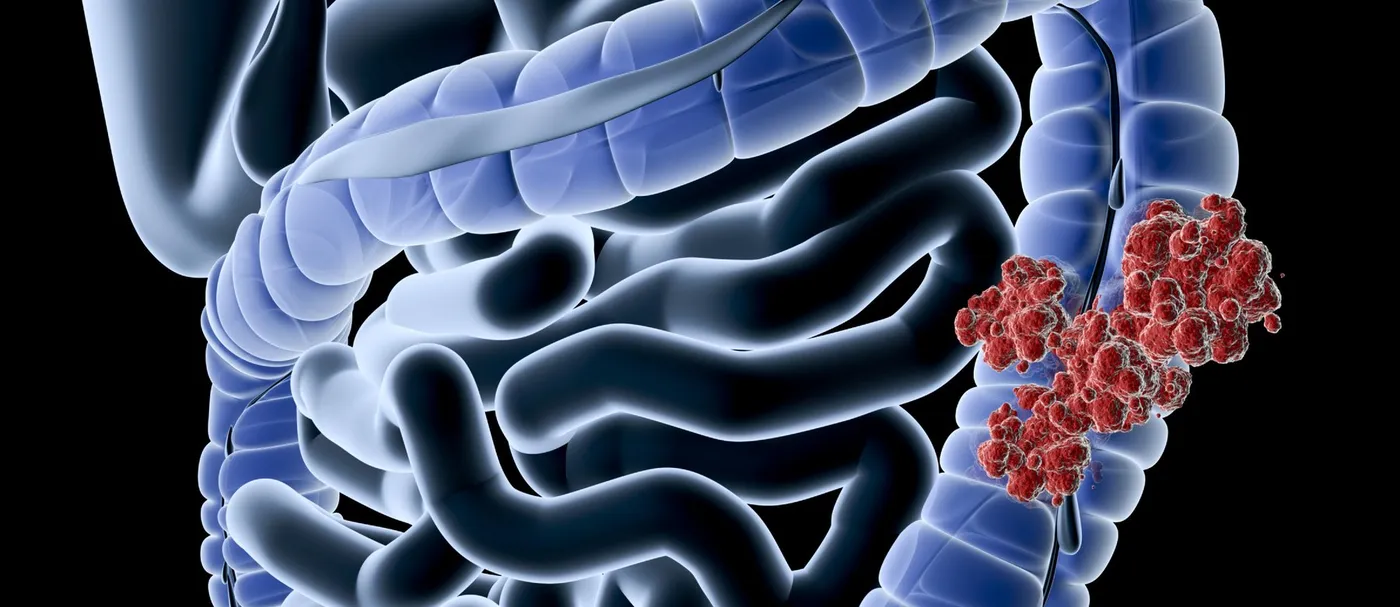
Illustration of the liver with a white tumor on its surface against a dark background

Guidance for Sponsors

Guidance for Sponsors · Volume 6, Issue 9 · 2026 Edition

WHO, RECIST, EASL, mRECIST and Cheson: Challenges of Evaluating Tumor Response

By Patrick Middlebrook, M.D.

More than 100 therapeutic antibodies and a steady stream of small molecules, antibody-drug conjugates and immunotherapies have reached the market since the first monoclonal antibody was approved in 1986.[1] Nearly every one of them was judged, at least in part, by how tumors on imaging responded. The criteria used to make that judgment have evolved from the WHO handbook of 1981 through RECIST, its 2009 revision, immune-specific criteria, liver-specific criteria for hepatocellular carcinoma and the PET-based Lugano classification for lymphoma. Each was created to fix a weakness in its predecessor, and each has limitations of its own. This issue traces that evolution and offers practical guidance on choosing and applying criteria in a trial.

Read the article
Illustration of the colon with a red tumor mass in the sigmoid region representing colorectal cancer

Guidance for Sponsors

Guidance for Sponsors · Volume 6, Issue 8 · 2026 Edition

Metastatic Colorectal Cancer and Locoregional Therapies

By Patrick Middlebrook, M.D. and Hemant Mehta, M.D.

The American Cancer Society estimates about 158,850 new cases of colorectal cancer and 55,230 deaths in the United States in 2026, and the disease is now the leading cause of cancer death in adults under 50.[1] Roughly half of patients develop liver metastases, and for most of them the liver is what determines survival. Over the past decade the options for treating those metastases have multiplied: systemic therapy guided by molecular profiling, radioembolization, chemoembolization with drug-eluting beads, thermal ablation and, remarkably, liver transplantation. Each produces imaging changes that conventional size-based criteria handle poorly. This issue reviews the current evidence and what sponsors should build into trials of liver-directed therapy.

Read the article
All Guidance for Sponsors articles

Case Studies

Intrinsic Imaging's 78 case studies illustrate how imaging core lab activities are adapted to the clinical objectives and operational requirements of drug, medical device and AI/CAD trials. Each narrative describes the study challenge, Intrinsic Imaging's approach and the reported results, allowing sponsors to consider the methods in the context of their own imaging programs.

All case studies

Frequently Asked Questions

Intrinsic Imaging's frequently asked questions address the considerations sponsors raise when evaluating an imaging core lab and planning a study. The collection contains 138 answers organized into 18 categories, progressing from an introduction to the company through its clinical expertise, imaging operations and quality management.

All questions

Downloads

The Downloads collection brings together PDF editions of Intrinsic Imaging's Guidance for Sponsors articles, case studies and press releases. Individual publications are available to download without registration, and the collection can be filtered by publication type and therapeutic area.

Intrinsic Imaging

Case study

Pivotal MRMC Study of CAD Software With 14,400 Reviews With and Without CAD

AI/CAD

Intrinsic Imaging

Case study

Tenth MRMC Trial for CAD, AI and Deep Learning Software

AI/CAD

Intrinsic Imaging

Case study

Pivotal MRMC Trial of AI Software Detecting Musculoskeletal Pathology

AI/CAD

Intrinsic Imaging

Case study

Pivotal Device Trial of AI Software for Screening Clinical Images

AI/CAD

All downloads

Events

Intrinsic Imaging attends clinical research and medical conferences where sponsors can meet the team and discuss their imaging requirements. The events schedule lists upcoming meetings, with dates and locations to support planning an in-person discussion.

RSNA 2026 Annual Meeting (Radiological Society of North America)

November 29 – December 3, 2026

Chicago, IL

All events and request a meeting

Tell us about your trial.

We'll scope imaging services tailored to your endpoints and timeline.

  • 3 FDA inspections

    Zero 483 observations

  • 5 BSI ISO certifications

    9001, 13485, 22301, 27001, 27018

  • 650+ physicians

    Board-certified, fellowship-trained