Artificial Intelligence

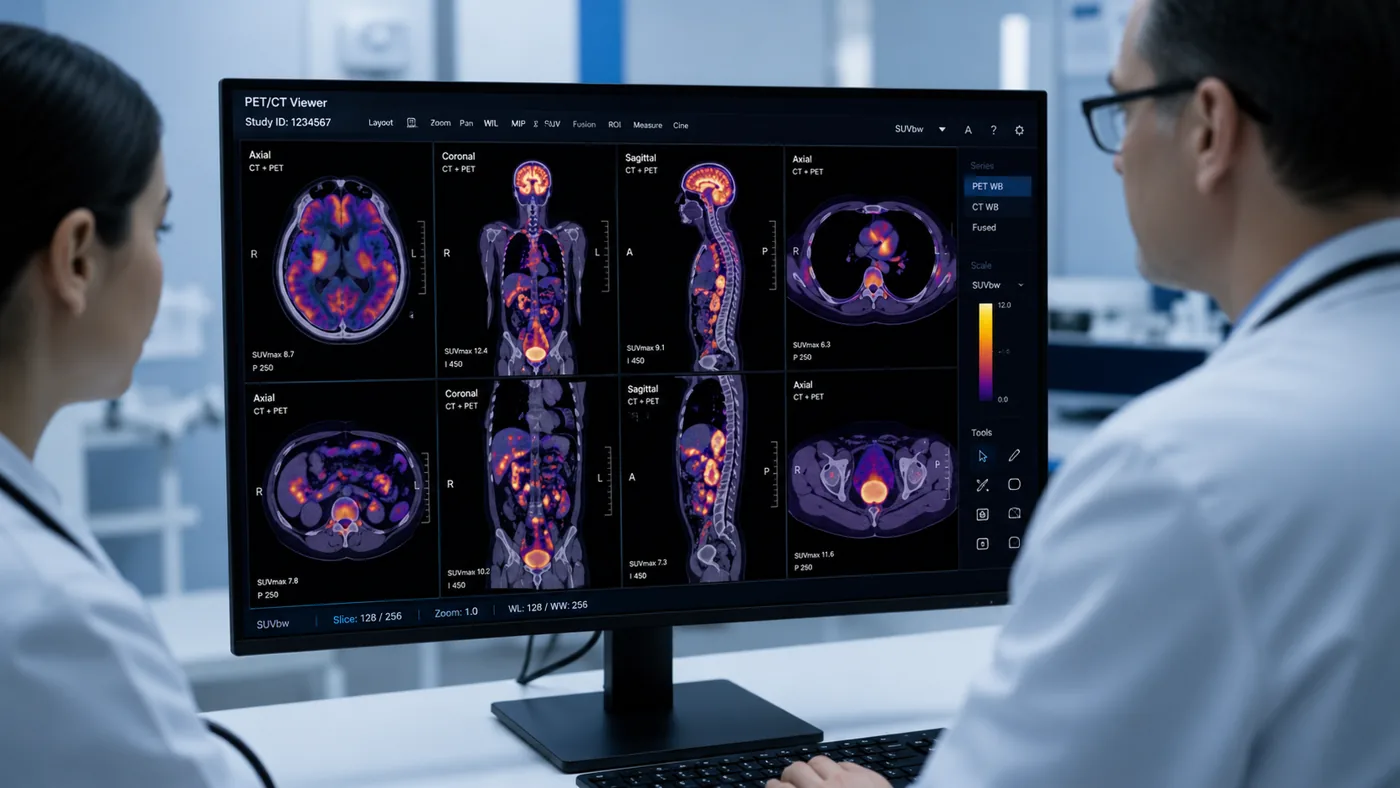
AI software analyzing medical images with segmentation overlays on a radiology workstation

Artificial Intelligence (AI & CAD) Imaging Core Lab

As an ISO Certified Imaging Core Lab, our Artificial Intelligence Imaging division is a world leader in the independent clinical validation of artificial intelligence (AI), computer-aided detection (CAD), computer-aided diagnosis, and advanced medical imaging software. With experience conducting 55 large multi-reader multi-case (MRMC) AI/CAD studies, Intrinsic Imaging brings together deep expertise in medical imaging, clinical trial methodology, physician reader studies, medical device research, and regulatory-compliant study execution.

Our experience spans AI technologies developed to detect, characterize, quantify, segment, and assist in the interpretation of disease across a broad range of anatomies and imaging applications, including the brain, breast, liver, lung, prostate, musculoskeletal system, and other clinical areas.

Supported by a global network of more than 750 board-certified and fellowship-trained physicians, Intrinsic Imaging can assemble highly specialized reader panels matched to the clinical indication, imaging modality, intended use, and regulatory objectives of each AI technology.

The Artificial Intelligence Imaging division provides comprehensive support from study design through final regulatory-ready data delivery, including protocol and imaging study design collaboration, case selection and dataset development, ground-truth and reference-standard establishment, reader recruitment and qualification, image and data quality control, reading-environment configuration, reader training, blinded MRMC execution, adjudication, and management of large-scale observer-performance datasets within a controlled clinical trial imaging technology workflow.

Intrinsic Imaging routinely manages studies involving 10000–30000 individual case reviews and has supported multiple AI/CAD/Viewer technologies that have achieved FDA clearance.

Importantly, Intrinsic Imaging has successfully undergone an FDA inspection specifically involving an MRMC AI/CAD/Viewer clinical trial with zero Form FDA 483 observations and maintains ISO 13485 certification for medical device clinical trials. By integrating sophisticated MRMC methodology, extensive subspecialty physician expertise, scalable clinical trial infrastructure, and a rigorous quality and regulatory framework, Intrinsic Imaging provides AI developers and medical device manufacturers with the independent clinical evidence required to objectively demonstrate the safety, effectiveness, and clinical performance of next-generation medical imaging technologies.

Artificial Intelligence Imaging Division Highlights

  • Intrinsic Imaging is the world leader in conducting stand-alone and multi-case multi-reader observer performance studies to evaluate Artificial Intelligence (AI) / CAD / Viewer software.
  • Experience and expertise conducting 55 large MRMC AI/CAD trials.
  • Ex. Bone, Brain, Breast, Liver, Lung, Prostate, Liver, and others.
  • Modality expertise includes: CT, MRI, PET/CT, SPECT, radiography and ultrasound.
  • FDA registered facility.
  • Successful FDA Inspection specifically for an MRMC AI/CAD/Viewer trial with zero 483 observations.
  • Routinely manages 10000–30000 case reviews with expedited timelines.
  • 25+ FDA clearances of AI/CAD/Viewer devices.
  • Unique expertise and significant competitive advantage.
  • ISO 13485 certification specifically for providing services for medical device clinical trials.
03

Independent AI Evaluation

From Curated Cases to Controlled AI Reader Evidence

A multi-reader multi-case (MRMC) study evaluates the intended clinical task across multiple physicians and cases. Case preparation, reference standards and reading-session controls protect the integrity of the resulting assessments.

Curated Cases & Reference Standard

Quality-controlled cases, a defined truth method and independent adjudication.

Qualified Readers

Specialty-matched physicians with study-specific training.

Unaided

Recorded reader assessments.

AI-Assisted

Assessments using the device.

Protocol-defined order, randomization and washout where specified

Reconciled Study Data

Traceable assessments and reference data prepared for delivery.

Illustrative paired-session MRMC design, not a universal study protocol. Reading order, randomization, washout and reference-standard methods are defined for the device and intended use. Stand-alone AI studies follow a different assessment pathway.

Medical Leadership

“Behind every image in a clinical trial is a patient who chose to advance medicine. Artificial intelligence will transform how we honor that choice, but it will never replace the discernment of an expert physician.”

Amit Mehta, MD, Executive Vice President, Chief Medical Officer and Co-founder

Multi-Reader Multi-Case (MRMC) AI and CAD Reader Studies

Intrinsic Imaging conducts stand-alone and multi-reader multi-case (MRMC) observer-performance studies for artificial intelligence, computer-aided detection and diagnosis, and medical imaging viewer software. Our experience includes 55 large MRMC AI/CAD studies across the brain, breast, liver, lung, prostate, musculoskeletal system, and other clinical applications.

Study design is aligned with the software’s intended use, imaging modality, clinical indication, and regulatory objectives. Our team supports protocol and imaging study design collaboration, reader recruitment and qualification, reading-environment configuration, reader training, blinded study execution, and adjudication.

Case Selection, Reference Standards and Imaging Data Quality

Reliable AI clinical validation depends on the cases, reference standards, and review process used to evaluate the technology. Intrinsic Imaging supports case selection and dataset development, ground-truth and reference-standard establishment, and image and data quality control for AI, CAD, and diagnostic imaging software studies.

A network of more than 750 board-certified, fellowship-trained physicians enables specialized reader panels matched to the technology and clinical application. Our teams routinely manage 10000–30000 individual case reviews, supporting large-scale observer-performance datasets from study preparation through final data delivery.

FDA Inspection Experience and ISO 13485 Quality for AI Medical Device Trials

Intrinsic Imaging has supported multiple AI/CAD/Viewer technologies that achieved FDA clearance and successfully underwent an FDA inspection specifically involving an MRMC AI/CAD/Viewer clinical trial with zero Form FDA 483 observations. This experience informs our approach to independent clinical evidence generation for medical imaging software.

Our ISO 13485 certification specifically covers services for medical device clinical trials. Together with subspecialty reader expertise and standardized study execution, this quality framework supports regulatory-ready data delivery for AI developers and medical device manufacturers.

AI Clinical Validation: Design, Reference Standards and Performance

Independent AI validation begins with a defined intended use and a testable clinical question. We distinguish stand-alone algorithm performance from the effect of AI assistance on physician interpretation and configure each study accordingly.

Study designPurposeMeasures and controls
Stand-alone validationEvaluate a locked algorithm on an independent datasetSensitivity, specificity, ROC AUC and task-specific detection or segmentation measures
MRMC observer-performanceCompare readers with and without AI assistancePrespecified accuracy endpoints, reader and case variability, randomization and washout
Detection and localizationAssess whether findings are identified and correctly locatedLesion sensitivity and false positives per examination; localization-aware methods where appropriate
Segmentation and quantificationCompare image-derived outputs with reference annotationsDice or overlap measures, measurement error and protocol-defined acceptance criteria
Subgroup and generalizability analysisExamine performance across the intended-use populationScanner, site, demographic and disease-spectrum strata defined in advance

Reference Standards and Ground-Truth Governance

The reference standard may use expert consensus, adjudicated annotations, pathology, clinical follow-up or a justified combination. The protocol defines what establishes disease status, how uncertain cases are handled and which information reference reviewers may access.

Reference panels remain independent from the test interpretation where required. We preserve source evidence, annotation versions and disagreement resolution. Readers evaluating the product do not see reference labels that would compromise blinding.

Dataset Independence and Representative Case Selection

We define inclusion and exclusion rules, disease spectrum, acquisition settings and intended-use representation before selecting cases. Dataset provenance and duplicate checks support separation from training and tuning data. A locked software version and prespecified analysis plan help prevent test-set results from guiding model changes.

Enriched reader-study datasets and real-world prevalence datasets answer different questions. We document the sampling approach and provide imaging assessments and case-level data for the sponsor’s subgroup analyses.

MRMC Reading Sessions and Imaging Data Delivery

Study setup defines the reader population, case allocation, reading order, assisted and unassisted conditions, and washout period. Training familiarizes readers with the software without exposing test cases. Session controls document software version, workstation configuration and assessment completion.

Intrinsic Imaging implements the agreed reading workflow and delivers traceable case-level and reader-level imaging data. Endpoints reflect the product’s intended task; reading-time improvements do not substitute for a required diagnostic-performance endpoint.

Direct physician access

Work Directly With Our Medical Leadership

  • • Your medical monitor talks directly to board-certified physicians — no intermediary layers.
  • • Physicians help author your imaging charter and resolve reader discrepancies.
  • • The same leadership team stays with your study from kickoff to database lock.
Meet Our Leadership

Guidance for Sponsors

Physician-authored guidance from Intrinsic Imaging on imaging endpoints and trial design.

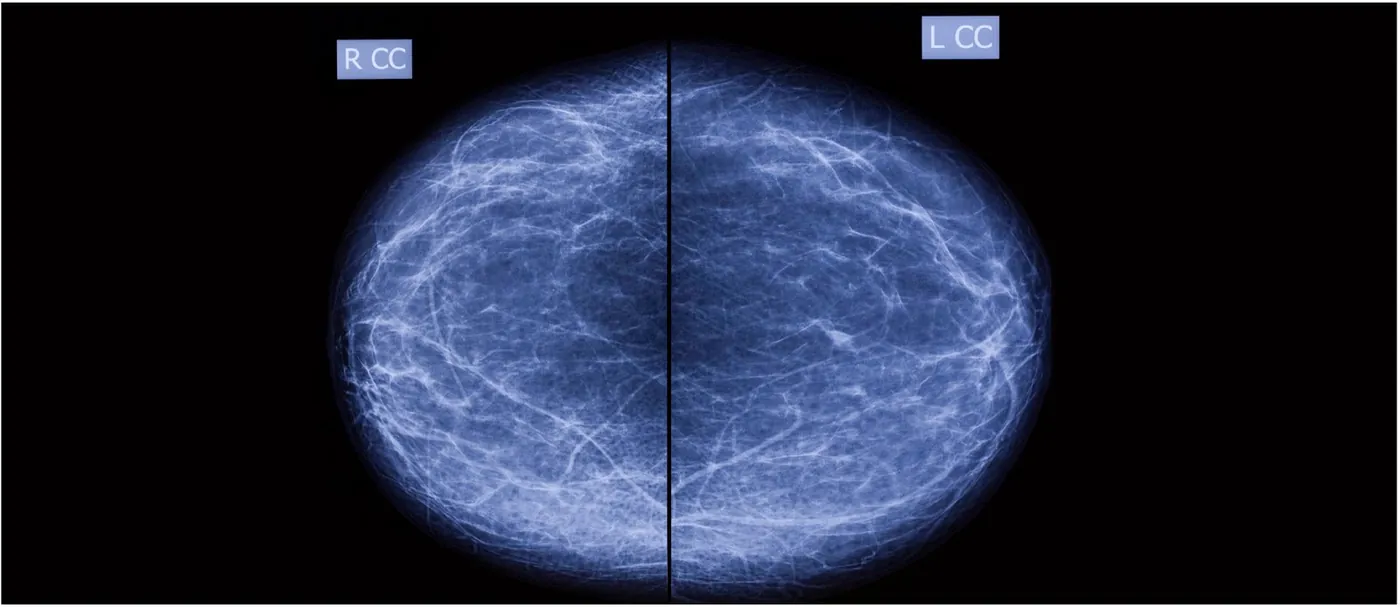
Bilateral craniocaudal screening mammogram

Guidance for Sponsors · Volume 4, Issue 2 · 2026 Edition

Screening Mammography AI: A Continued Market Opportunity

Computer-aided detection (CAD) promised to help radiologists find more breast cancers, but a decade of large studies showed that first-generation systems added false alarms without improving accuracy. Artificial intelligence has changed that picture. Randomized and nationwide studies published since 2023 show AI-supported screening detecting more cancers, reducing interval cancers and cutting radiologist workload without raising recall rates. For developers, the opportunity is larger than ever. So is the burden of proof: regulators, payers and screening programs now expect rigorous reader studies and real-world evidence.

Read the article
Illustration of the lungs and airways

Guidance for Sponsors · Volume 4, Issue 6 · 2026 Edition

The Challenges of Reducing Lung Cancer Mortality with Screening

Lung cancer remains the leading cause of cancer death in the United States. Two large randomized trials, NLST and NELSON, have shown that low-dose CT (LDCT) screening reduces lung cancer mortality, and U.S. eligibility was broadened in 2021. Yet the challenges that shaped the first edition of this issue remain: false positives, overdiagnosis, radiation, and the biases that can make screening look more effective than it is. Artificial intelligence for nodule detection and characterization adds new opportunity, and new questions that only well-designed trials can answer.

Read the article
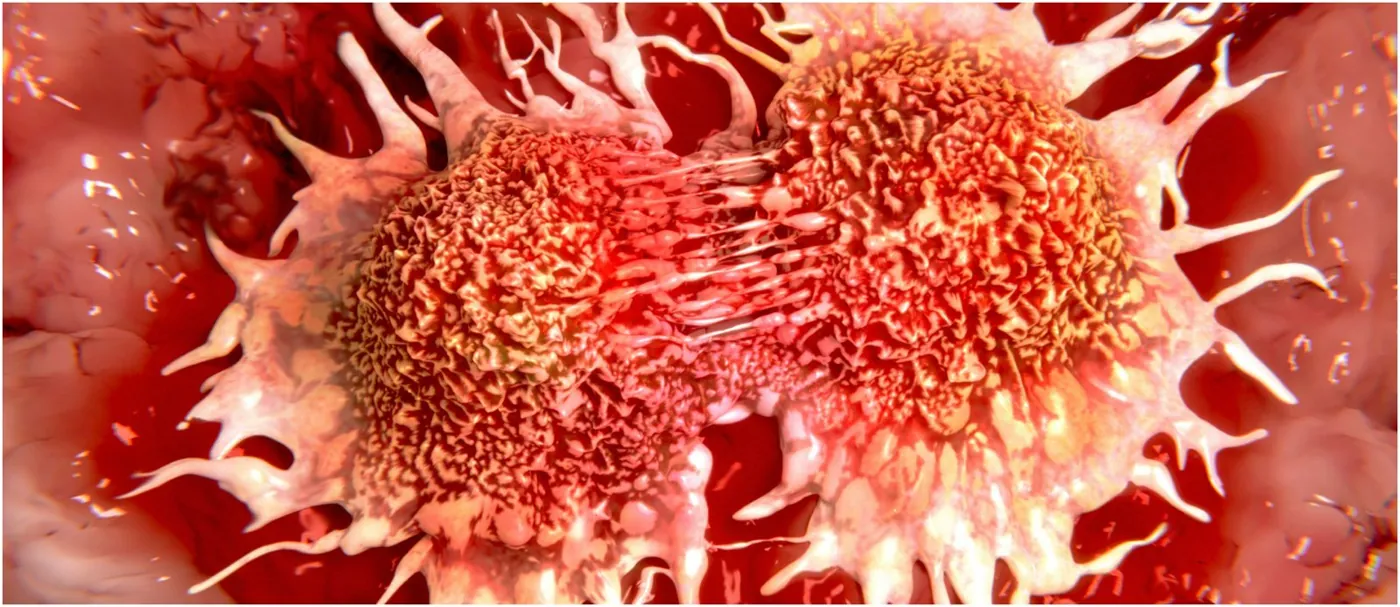
Illustration of dividing cancer cells

Guidance for Sponsors · Volume 4, Issue 3 · 2026 Edition

Oncologic Imaging: The Benefits of Diffusion-Weighted MRI

Diffusion-weighted MRI (DWI) was first used to greatest advantage in stroke imaging. Advances in gradients and pulse sequences have since made it a core tool for detecting, characterizing and following malignant lesions in the chest, abdomen and pelvis. Today it is the dominant sequence for peripheral-zone prostate cancer, a foundation of whole-body MRI for bone and marrow disease, and, through the apparent diffusion coefficient (ADC), a quantitative biomarker with published repeatability standards. For sponsors, DWI offers a fast, contrast-free measure of tumor cellularity and treatment response, provided acquisition and analysis are standardized across sites.

Read the article
Browse all Guidance for Sponsors →

Featured Case Study

Intrinsic Imaging

AI/CAD

MRMC Reader Study for AI 510(k) Submission

  • Multi-reader multi-case
  • Reference-standard panel
  • Part 11 reading environment

Challenge

An AI developer preparing a 510(k) submission required a pivotal multi-reader multi-case study to evaluate whether algorithmic assistance improved reader performance. The study's credibility depended in part on its reference standard: every case needed a systematically established reference determination supported by documentation suitable for FDA review. The design also had to control for recall bias and ordering effects across reading sessions, while documenting every step in a manner suitable for regulatory inspection.

Read the case study
View all case studies

Frequently Asked Questions

Does Intrinsic Imaging conduct MRMC reader studies for AI and CAD software?
Yes. Intrinsic Imaging conducts stand-alone and multi-reader multi-case observer performance studies, drawing on experience from 55 large MRMC AI/CAD studies.
Which elements of an AI clinical validation study can you support?
Our support spans protocol and imaging study design collaboration, case selection, dataset development, reference-standard establishment, reader recruitment and qualification, image and data quality control, reader training, blinded execution, adjudication and final data delivery.
How are readers selected for medical imaging AI studies?
Reader panels are matched to the clinical indication, imaging modality, intended use and regulatory objectives, drawing on more than 750 board-certified, fellowship-trained physicians.
What FDA and quality-system experience supports AI medical device trials?
Intrinsic Imaging has supported multiple FDA-cleared AI/CAD/Viewer technologies, completed an MRMC AI/CAD/Viewer trial inspection with zero Form FDA 483 observations, and maintains ISO 13485 certification for medical device clinical trial services. Clearance decisions rest solely with the FDA.

Validating an AI/CAD/Viewer medical device? Reach out!

Contact